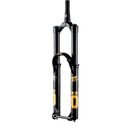
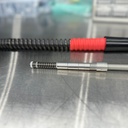
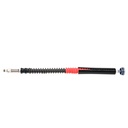
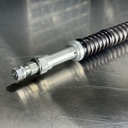
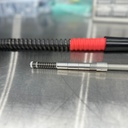
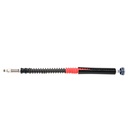
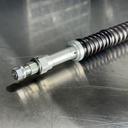
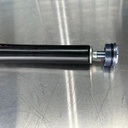
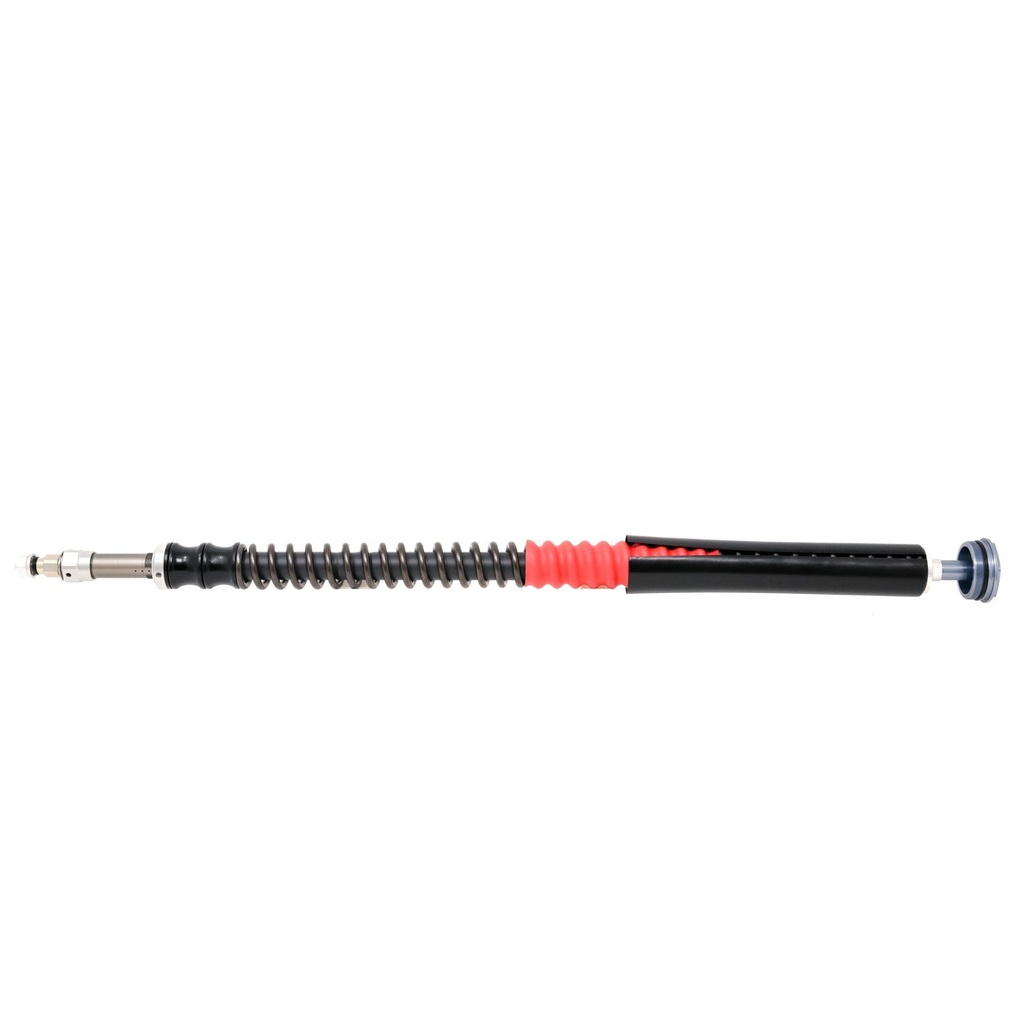
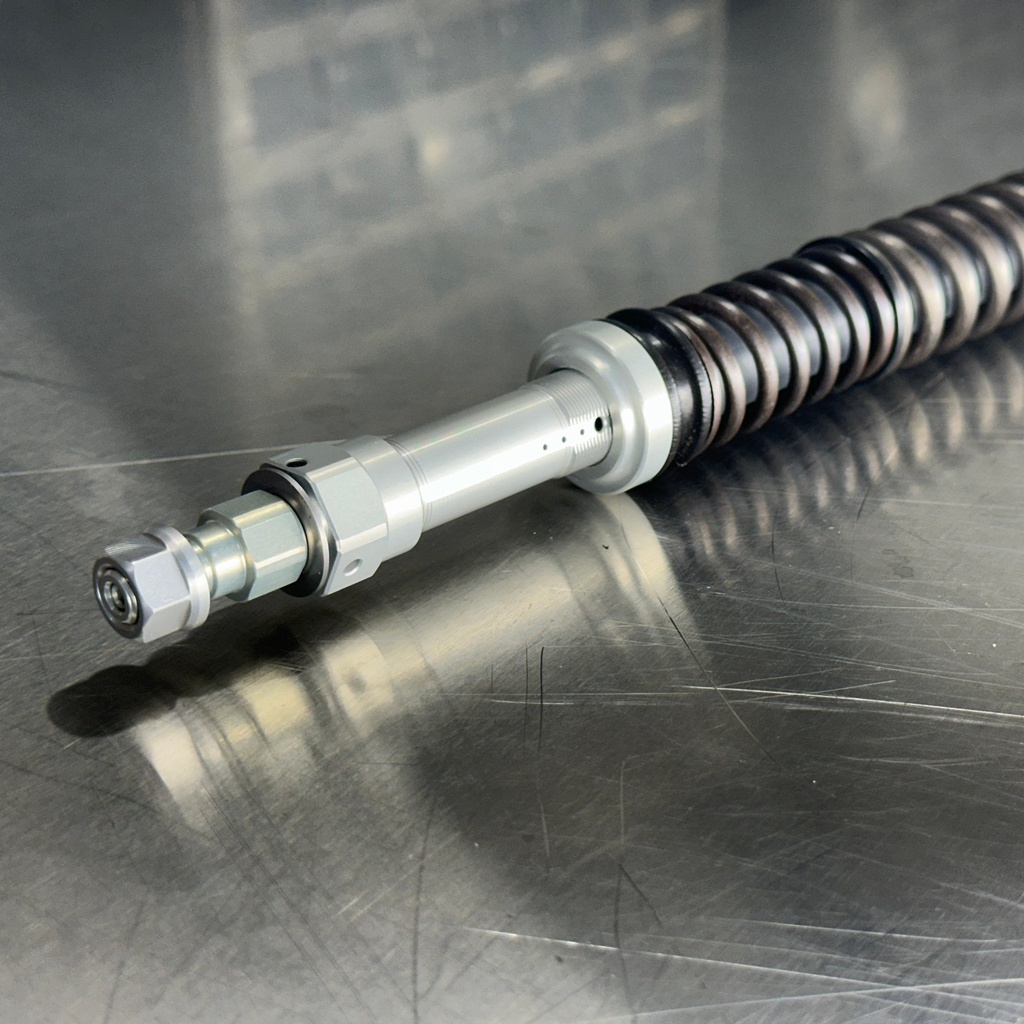
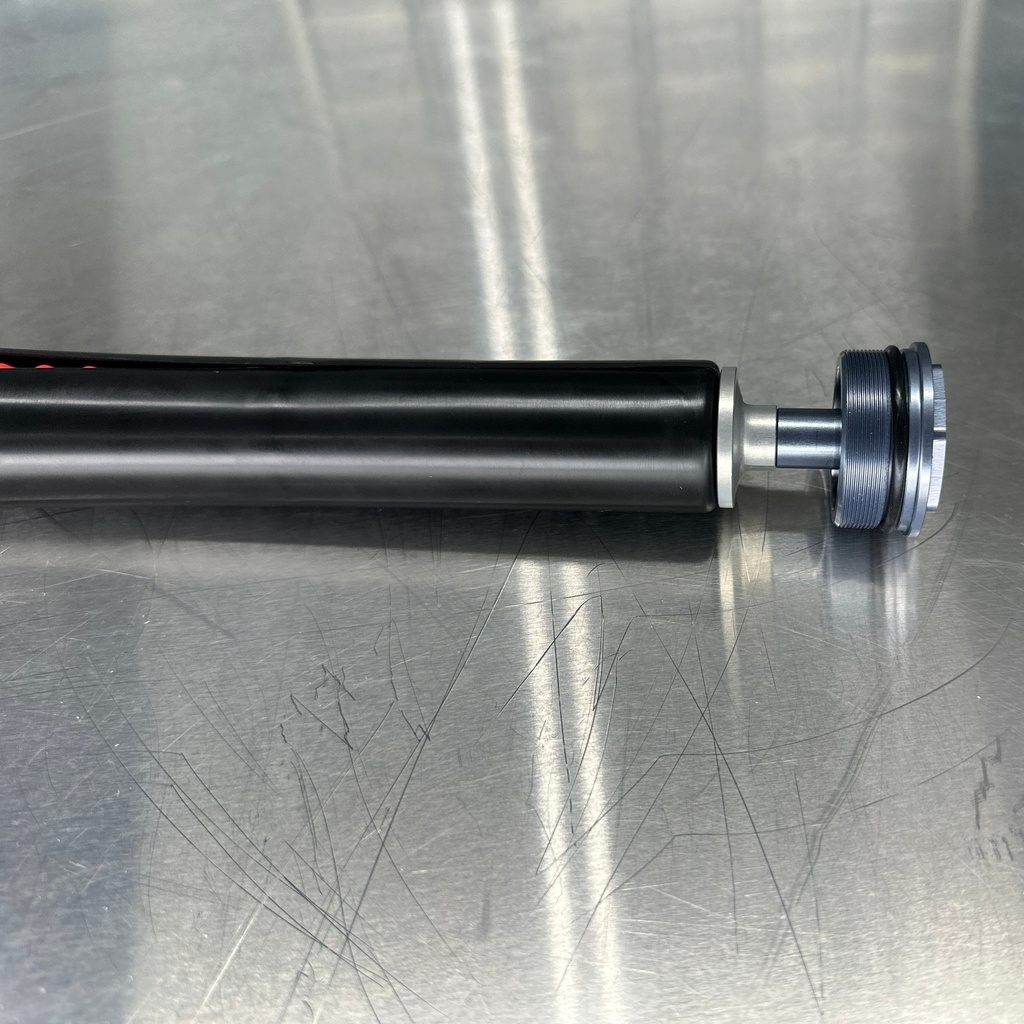
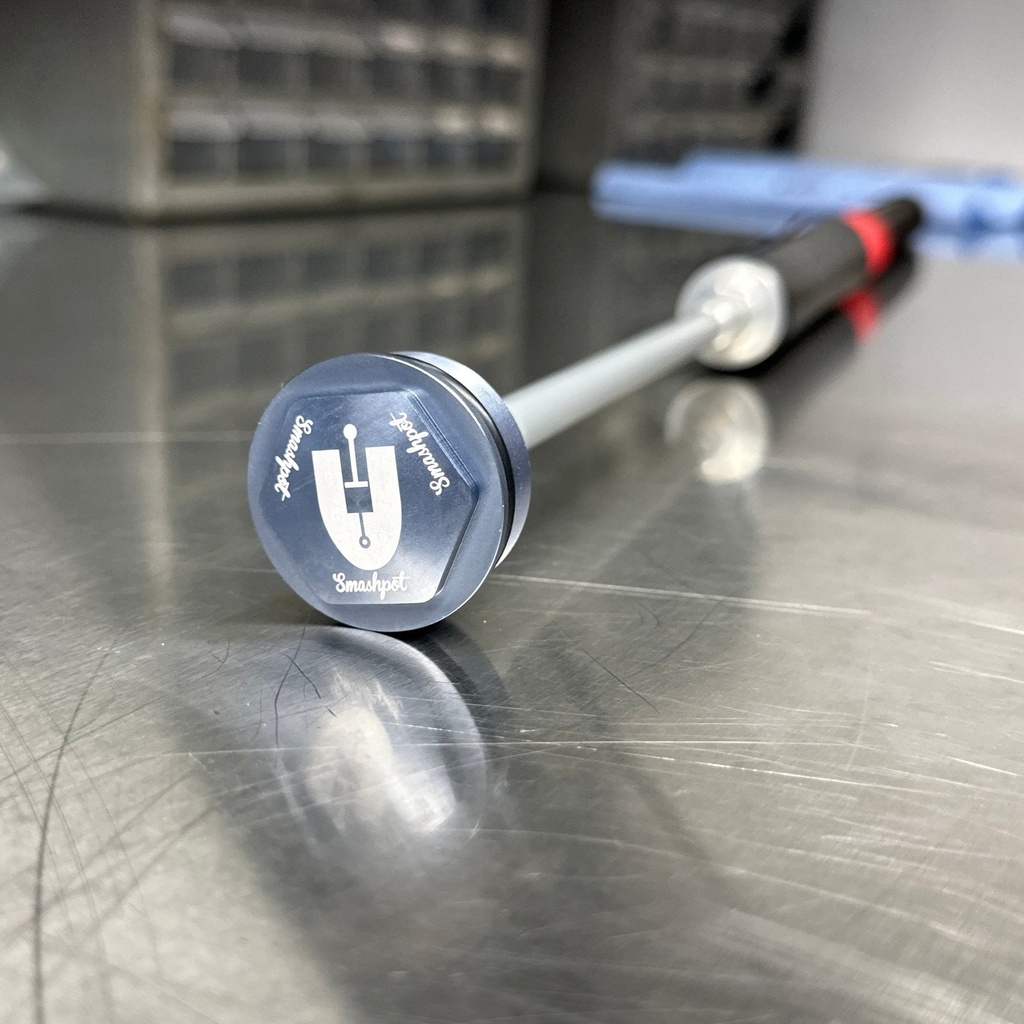
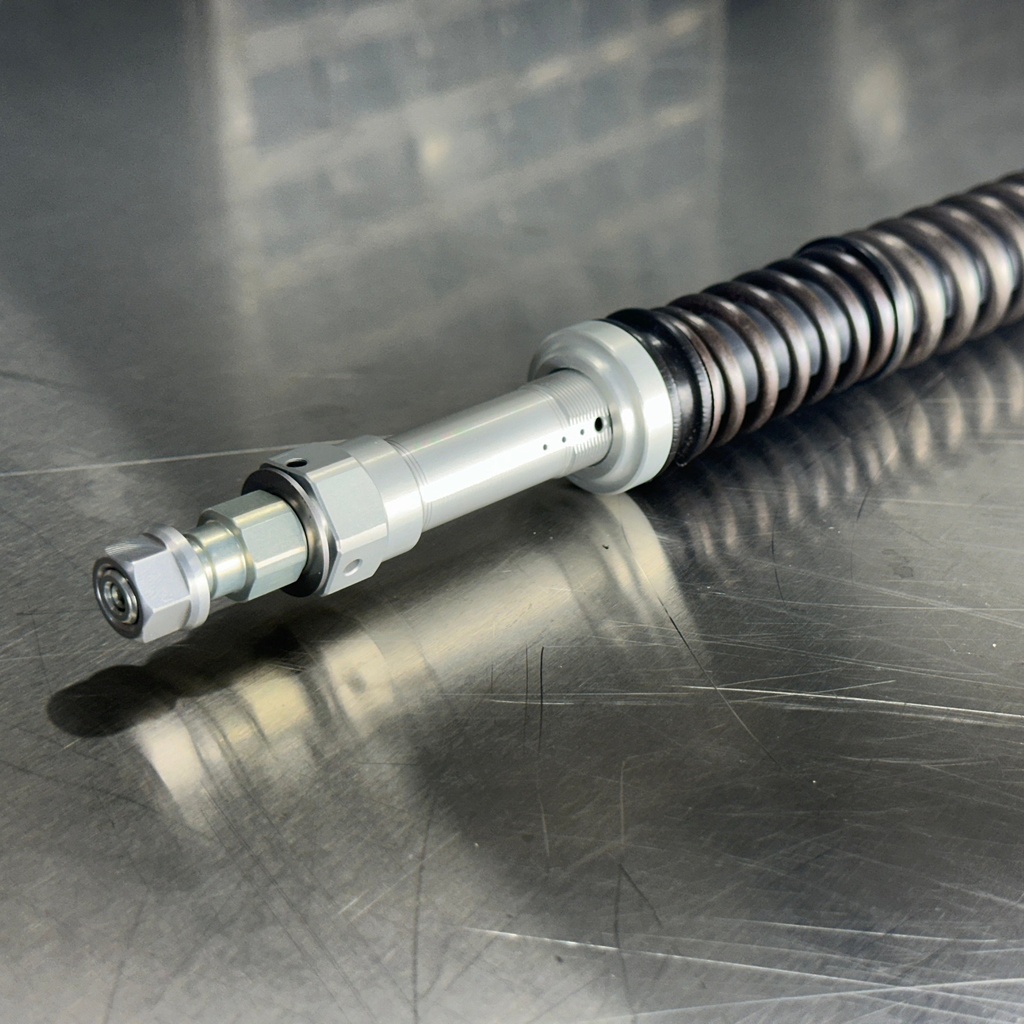
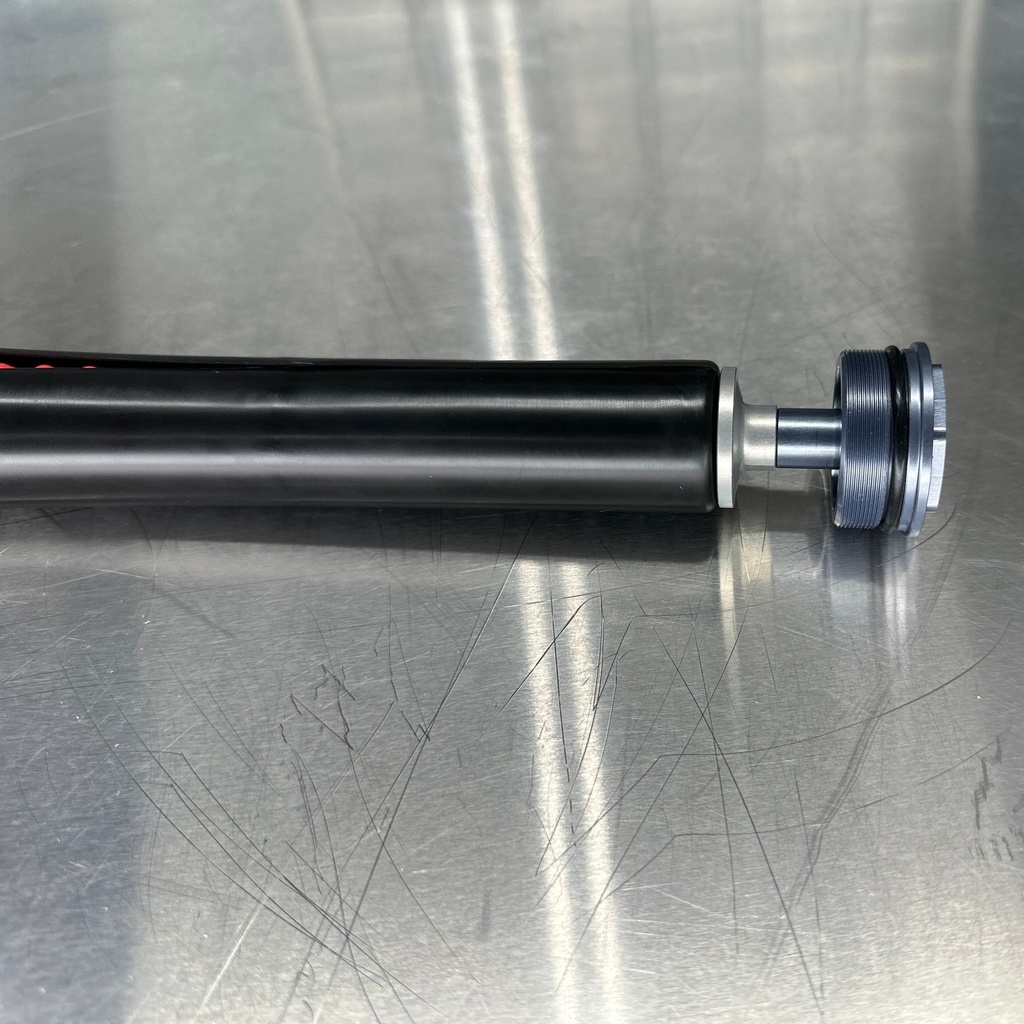
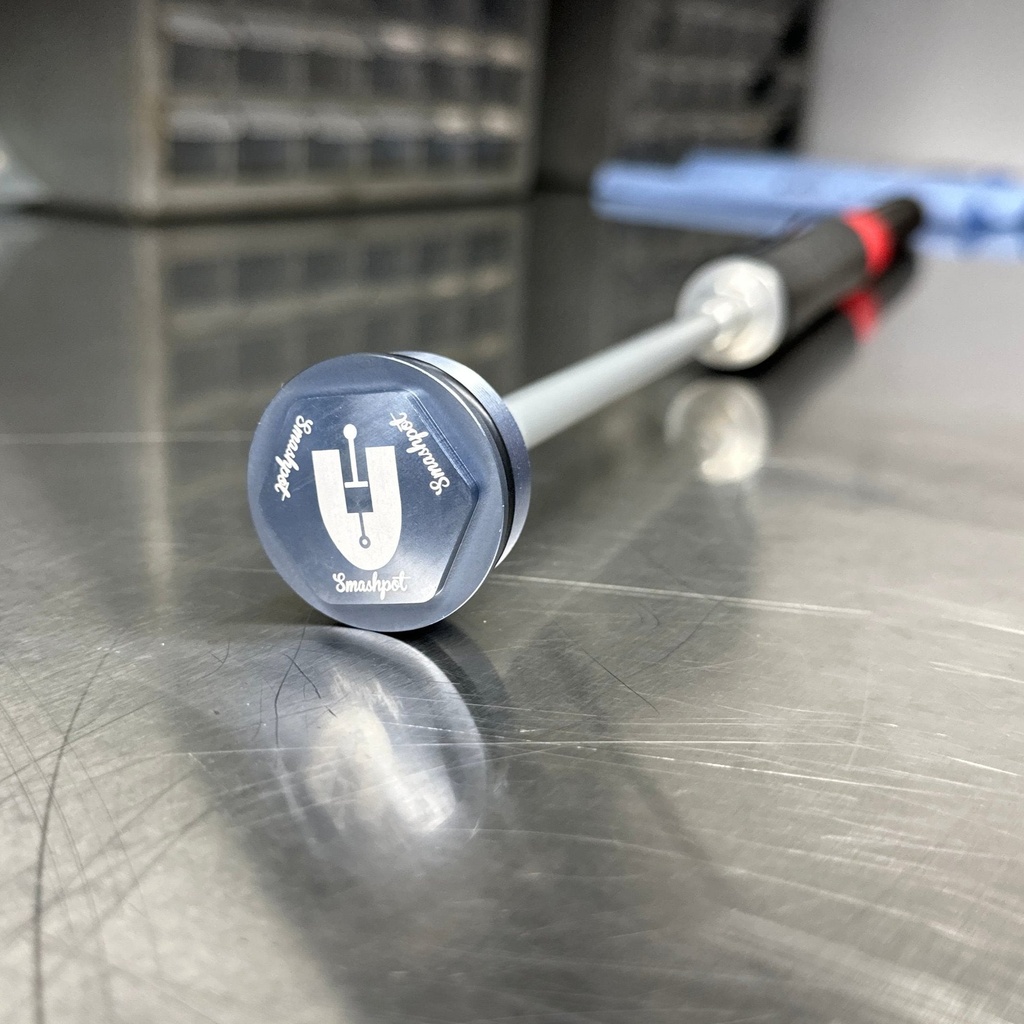
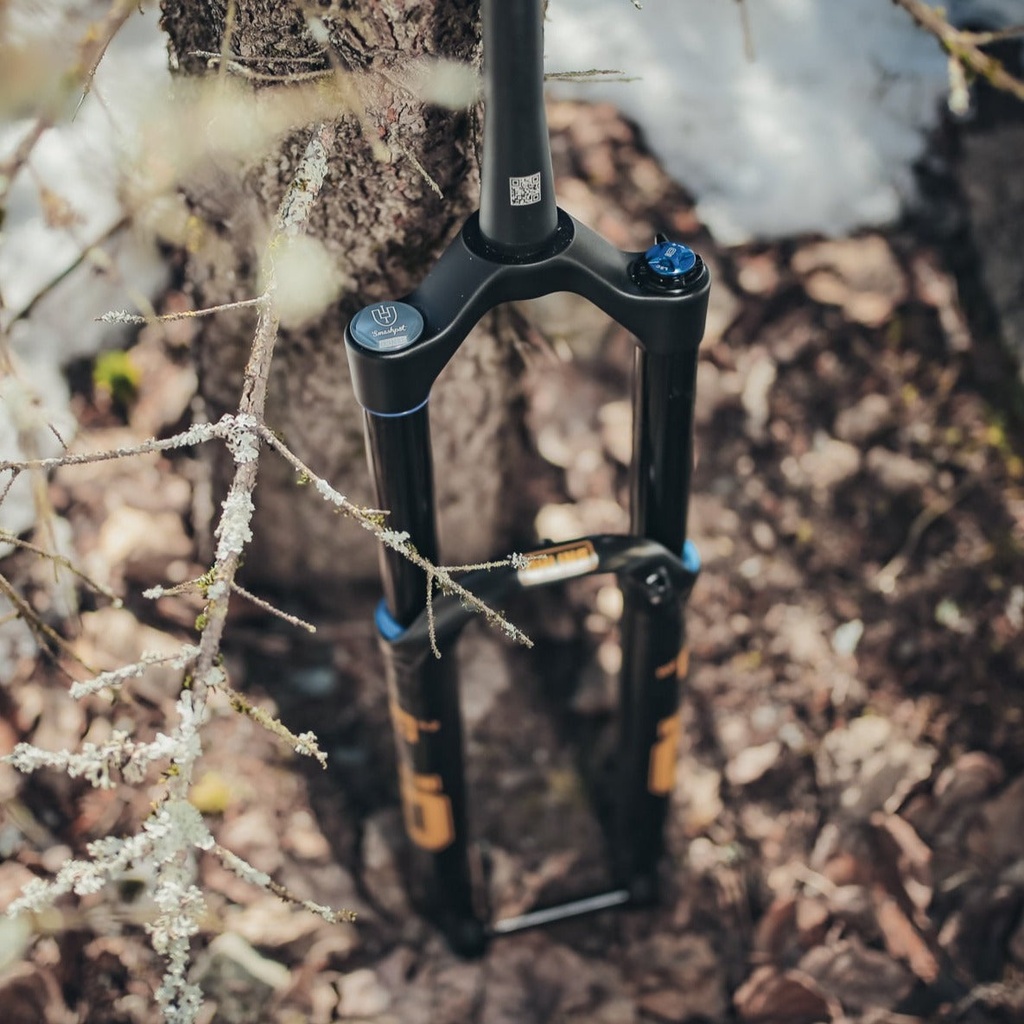
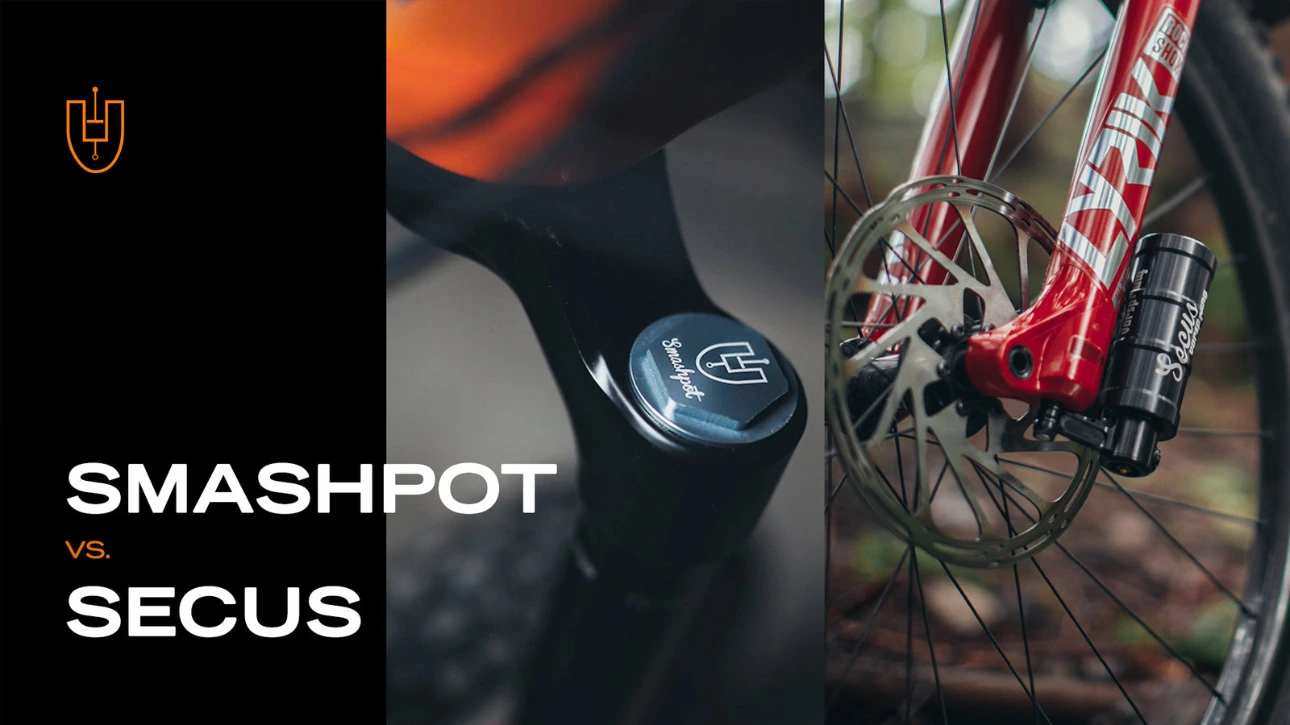
SMASHPOT OR SECUS, WHICH ONE IS RIGHT FOR YOU?
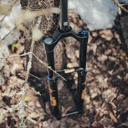
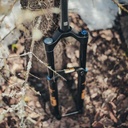
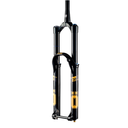
Most mountain bike forks these days are air sprung, likely due to being easily adjustable and light, however the performance benefits of coil springs are clear, so why one and not the other - ‘Should I go for the Smashpot or the Secus?’
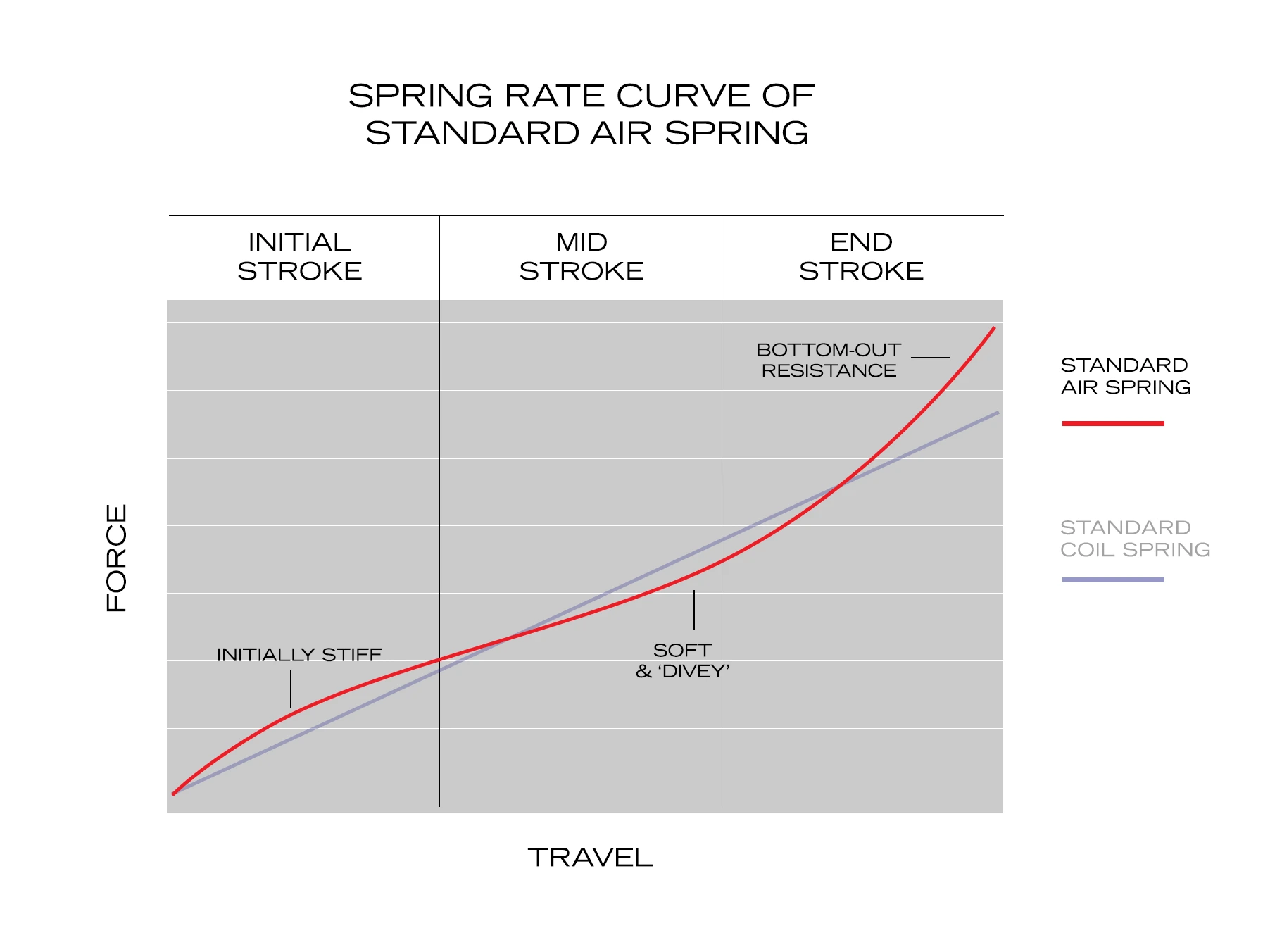
A question that comes up often is 'Which one should I get?'. Before diving into this, let's look at the difference in behaviour of coil springs and air springs in forks. The best way to do this is by observing their spring curves - a graph of how much force it takes to compress the spring, and its displacement at each point in the travel. That is, what is happening with the spring rate as a fork moves through its travel.
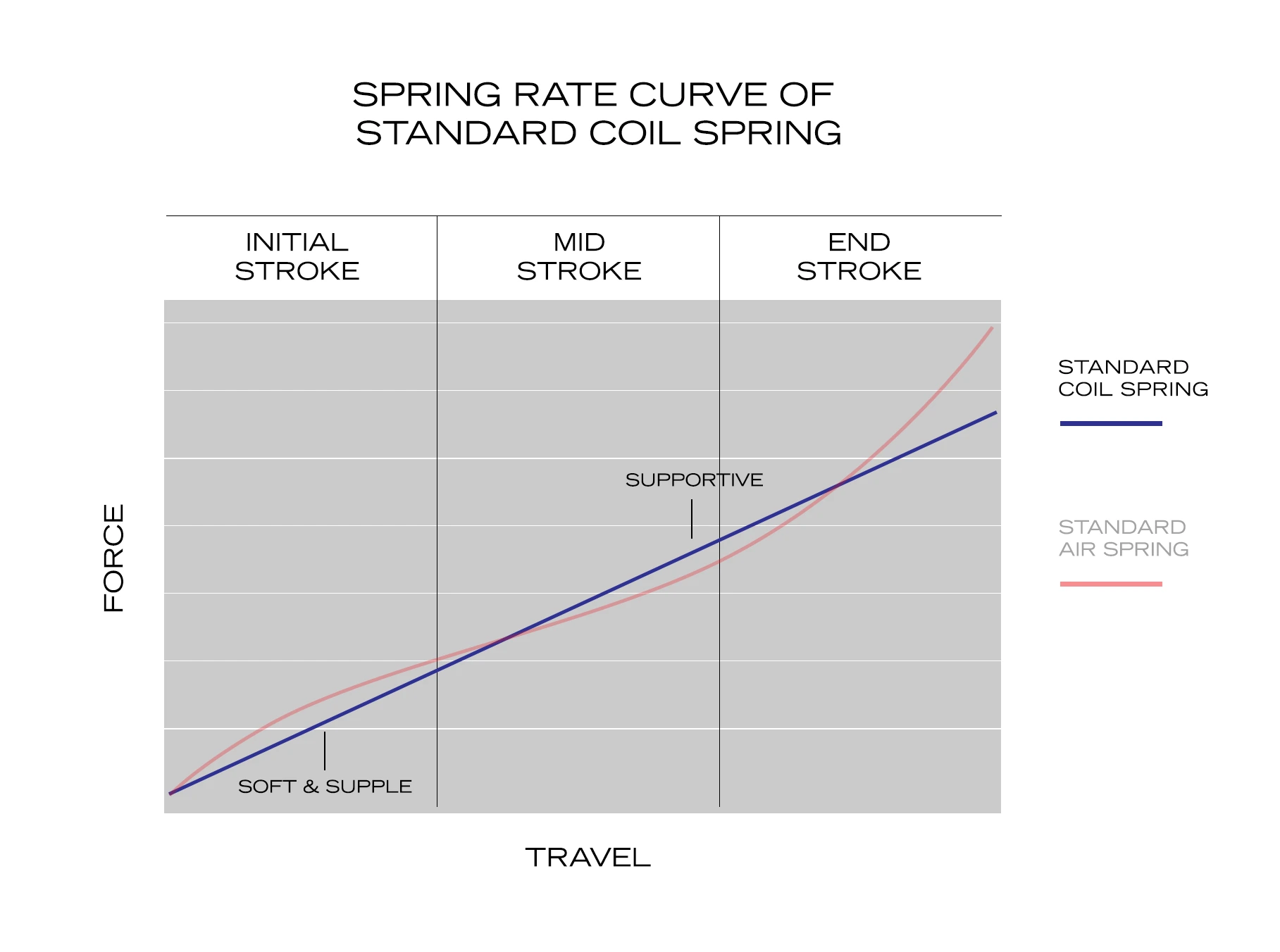
The spring rate of a coil spring remains consistent as the fork moves through its travel.
The spring rate of an air spring is not consistent, and ramps up as the fork moves through its travel.
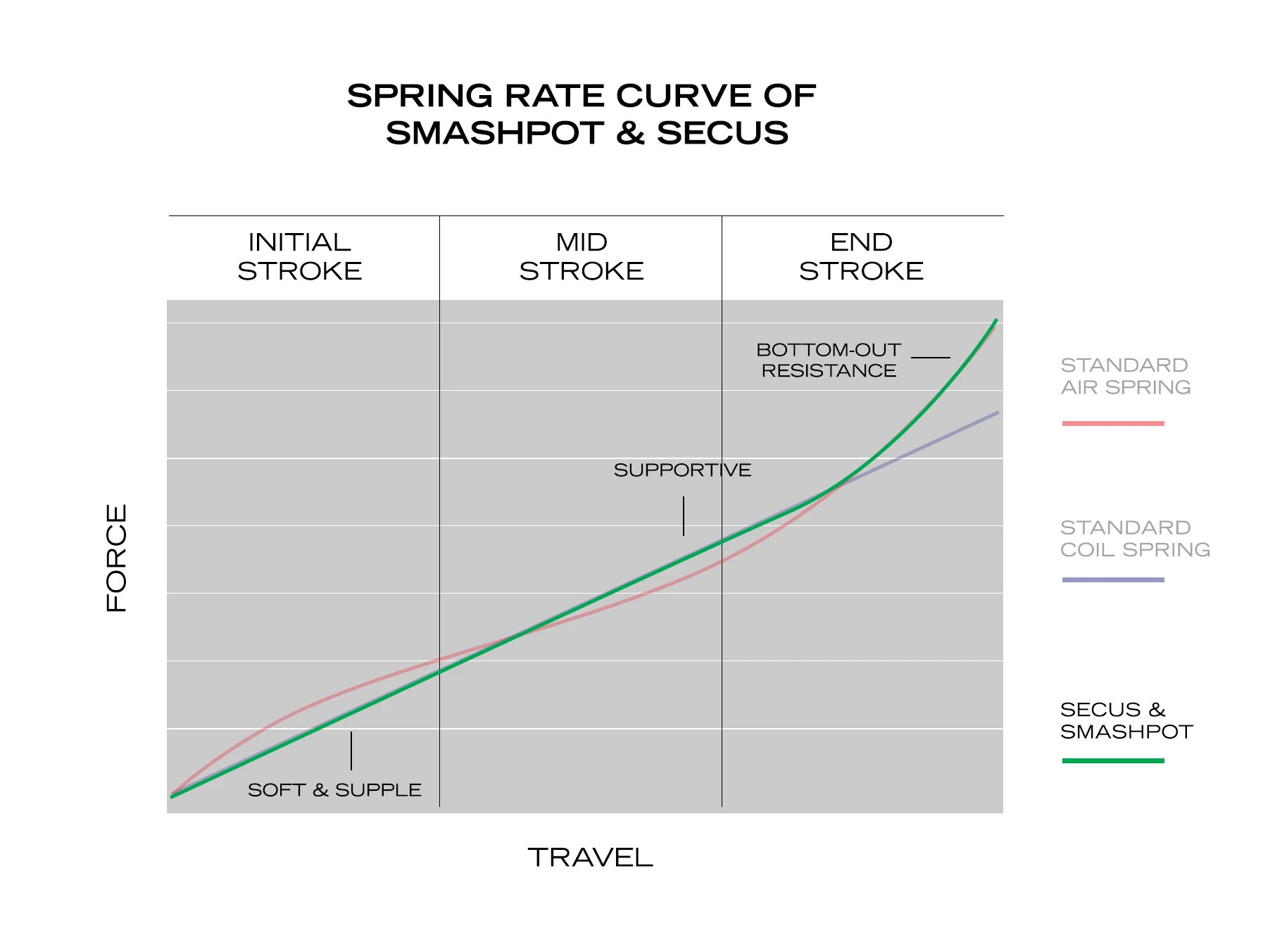
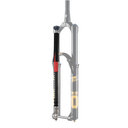
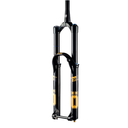
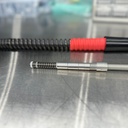
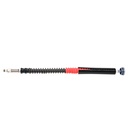
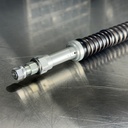
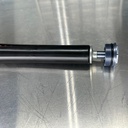
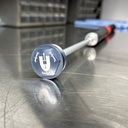
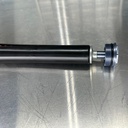
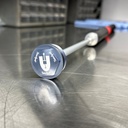
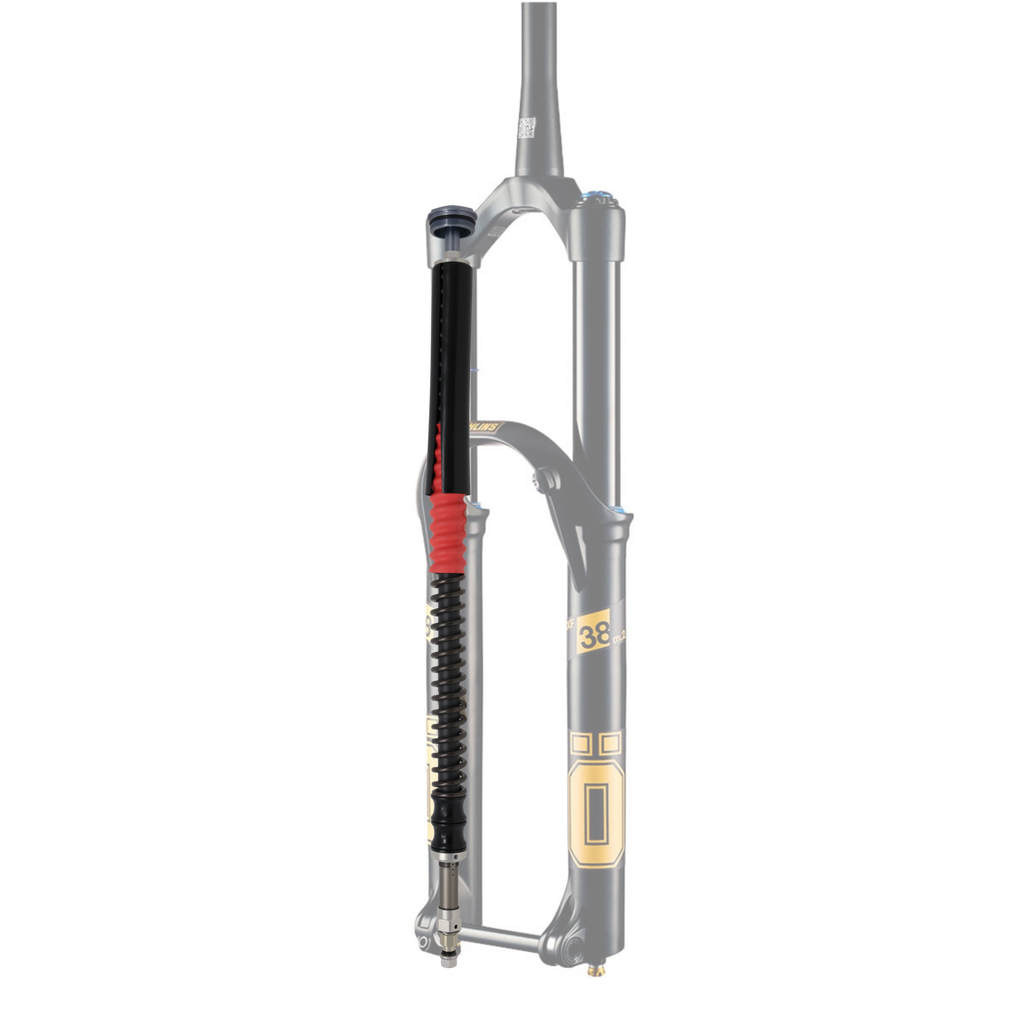
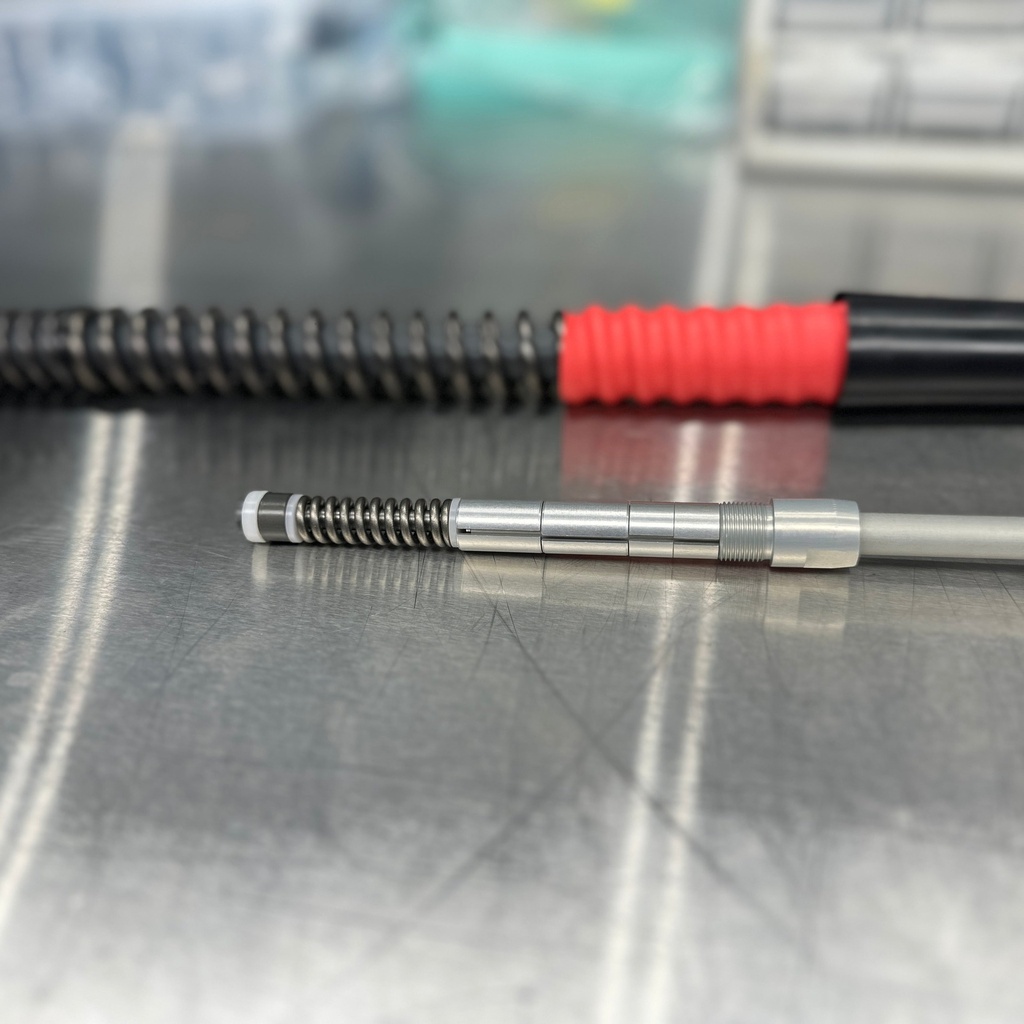
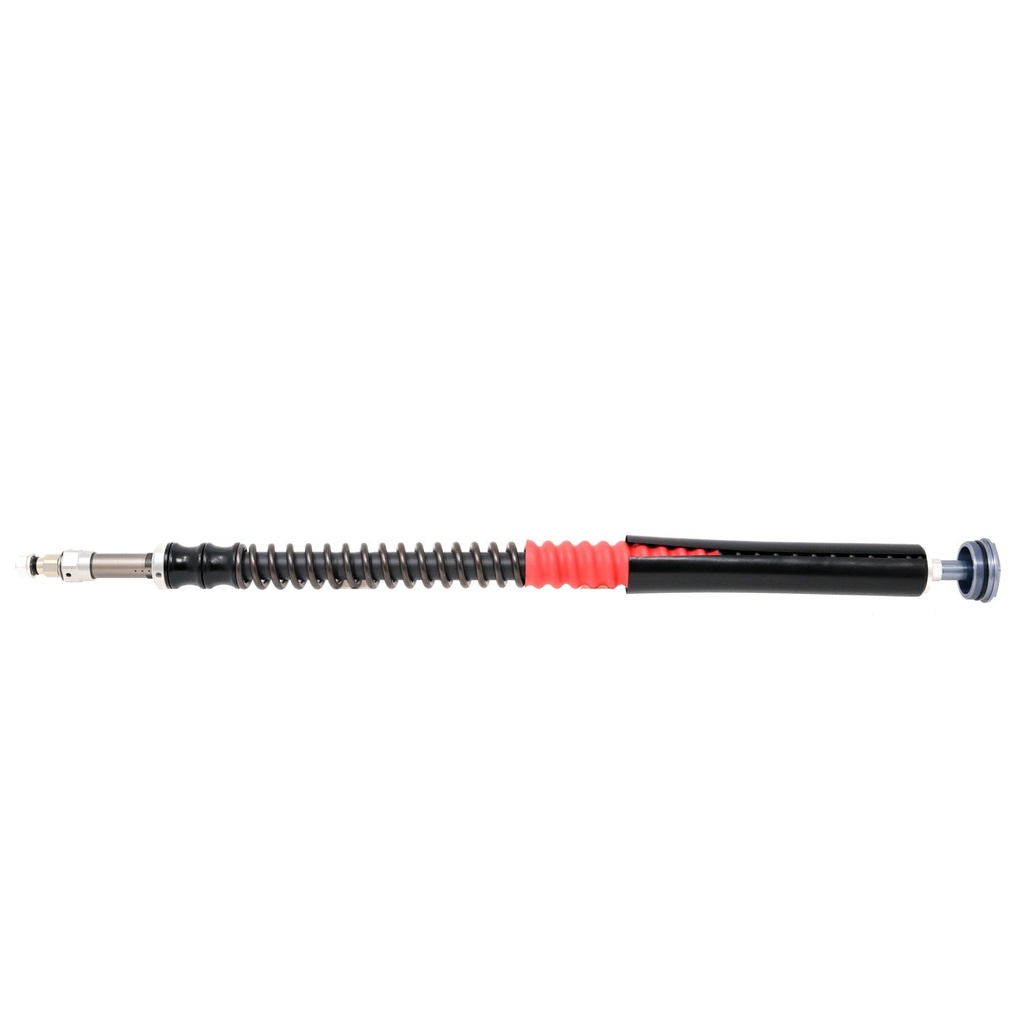
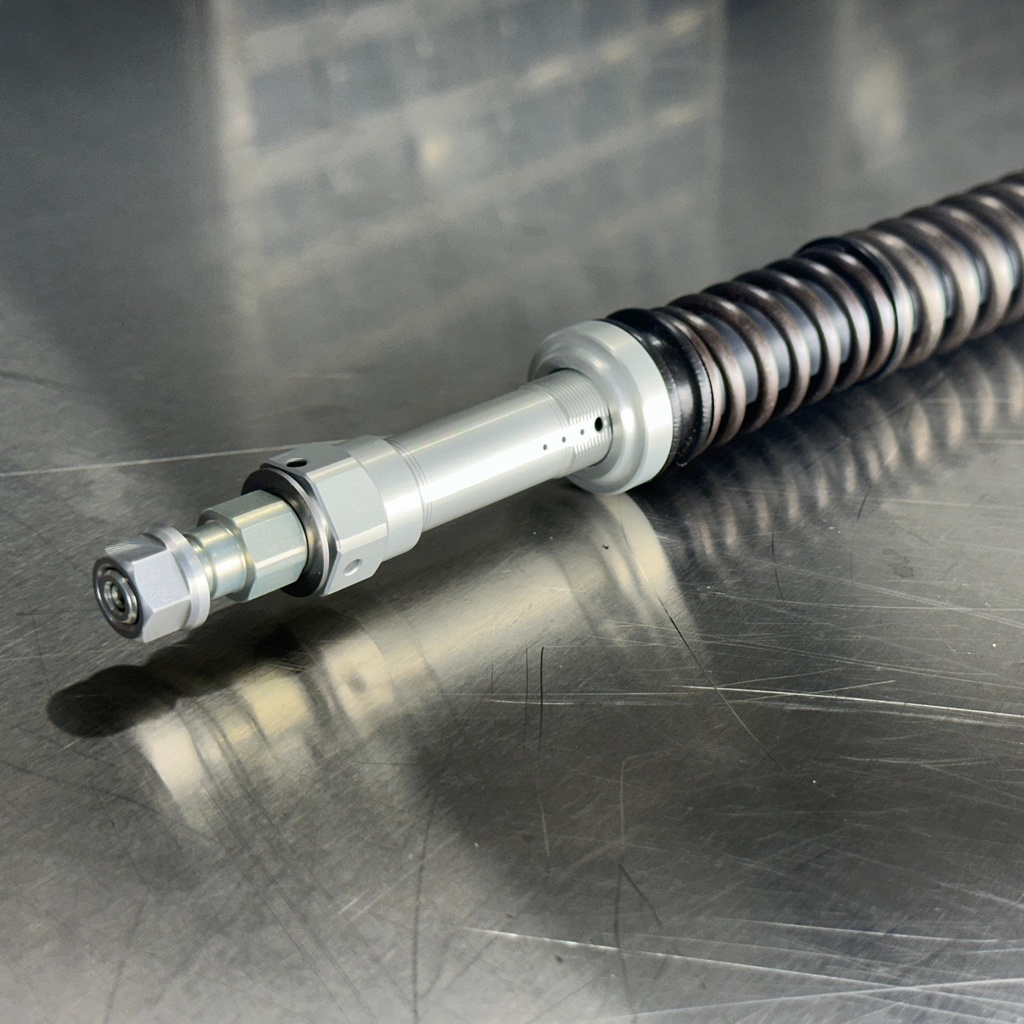
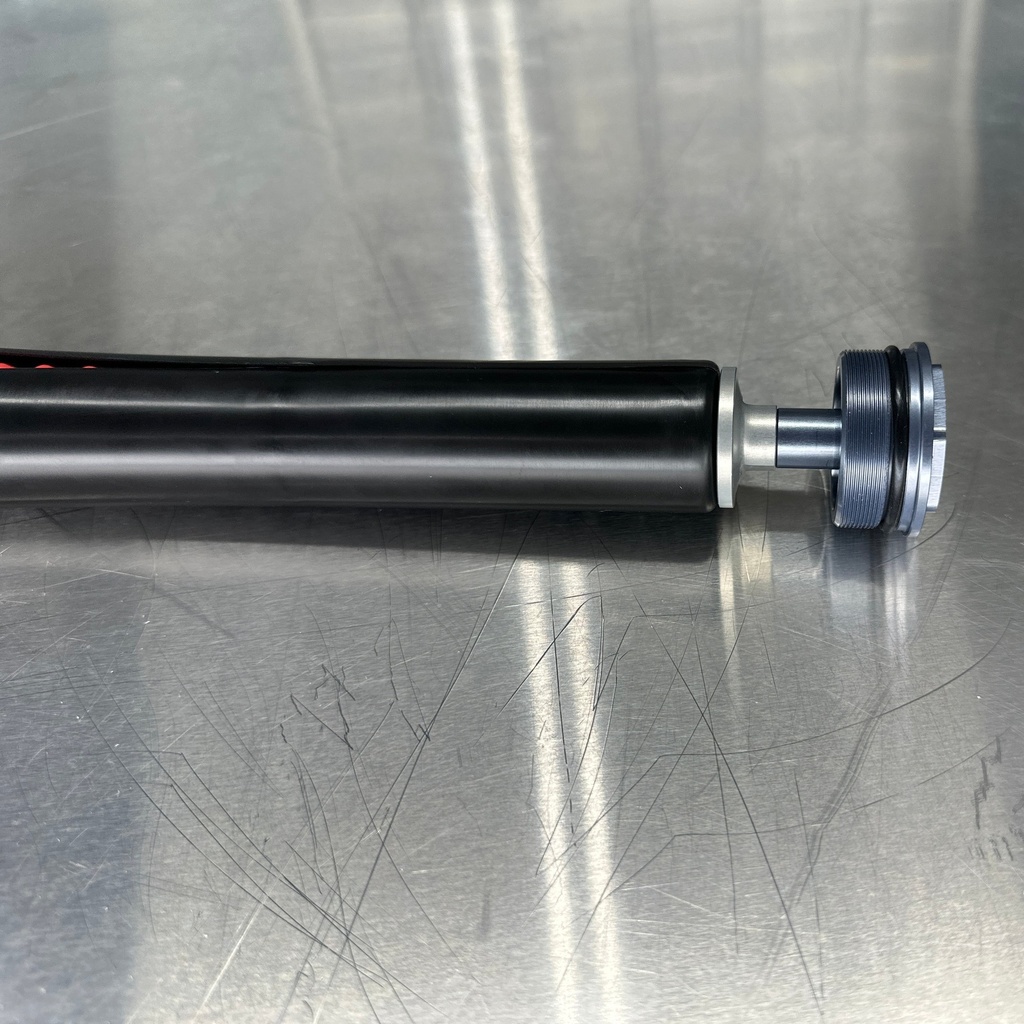
Both our Smashpot and the Secus aim to deliver a linear spring rate curve for the majority of the travel, with adjustable end-stroke ramp.
SO WHAT'S THE DIFFERENCE?
| Smashpot | Secus | Difference | |
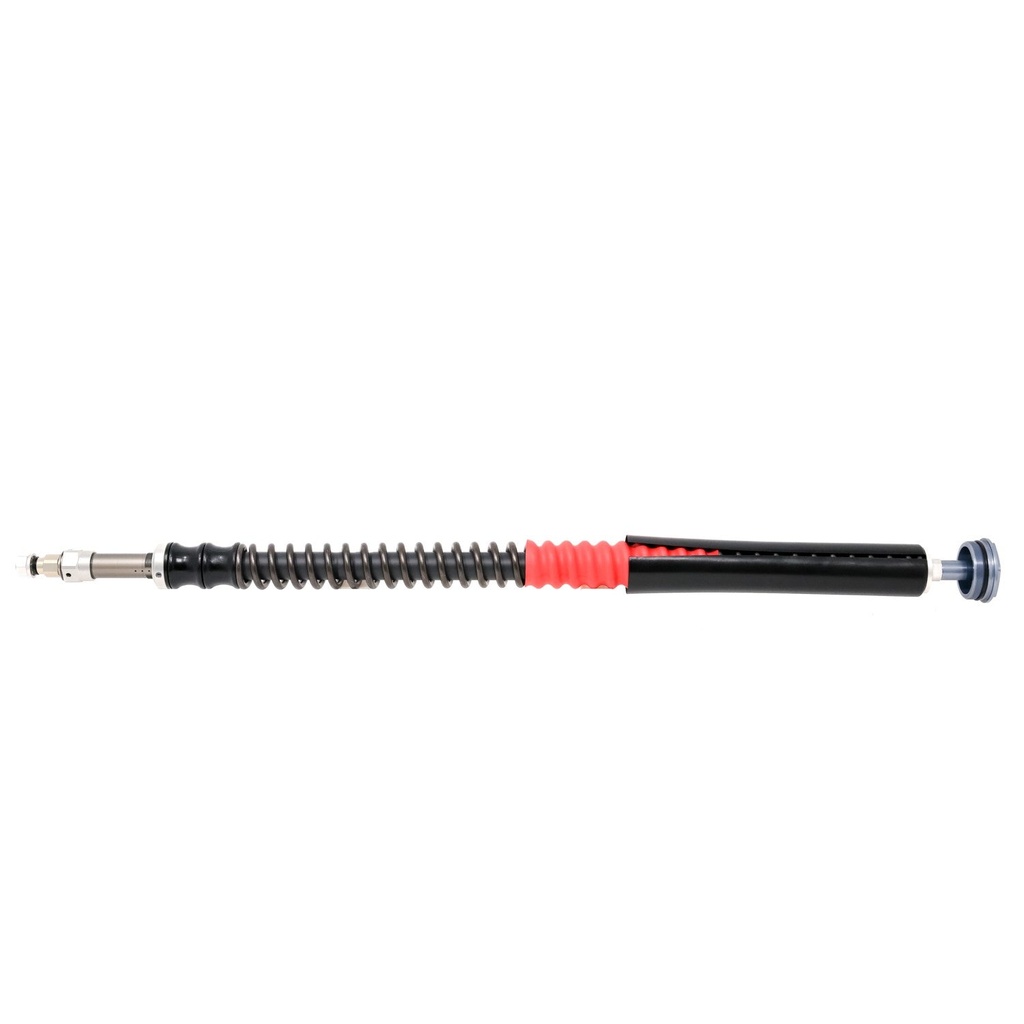
| BOTTOMING PROTECTION | Has an externally adjustable hydraulic bottom-out system. | Comes from its air spring curve ramp up | Both the Smashpot and Secus offer bottoming protection. |
| SPRING RATE SET UP & ADJUSTMENT | Adjusting your spring rate on a Smashpot requires physically changing springs. The hydraulic bottoming control is adjusted with an external dial. | Adjusting your spring rate with a Secus requires adding or subtracting air like any other air fork. You can add or subtract tokens to control the end-stroke ramp. | If you love to fiddle with your setup for various reasons, the Secus is the way to go. If you’d rather set and forget, the Smashpot. |
| FRICTION | Has zero stiction or friction, no moving seals in the spring system to wear out, cause friction or leak. | Is no different to stock air fork as sliding seals are unchanged | Smashpot is the clear winner here, as air spring sliding seals are a significant fraction of the fork's total friction. The Smashpot can reduce total friction in the fork by as much as half. |
| MAINTENANCE | - Low maintenance - Check heat shrink location on spring and replace oil with each lower leg/dust wiper service, performed at manufacturer's recommended intervals. - No other seals need routine maintenance. | - Air spring moving seals are unchanged from stock - still need servicing periodically as per manufacturer's recommended intervals. Lower leg servicing intervals remain as stock. - Secus body to be serviced every 200hrs. | Smashpot performance doesn't degrade over time whereas air springs do develop more friction and stiction over the course of their service intervals. |
| REVERSION TO STOCK | - No guarantee of being able to convert back to air for Pike/Lyrik/36, spring may score inside of stanchions. - Fox 38 will typically be able to be reverted to air as the stanchion is protected by a sleeve. | - Can return to stock by replacing the original footstud. | For the 38, no difference in removing the Smashpot to carry forward to your next fork, but for other forks the Secus has an advantage here. |
| WEIGHT | - Adds approx 250-500g depending on spring rate and what fork it was added to (weight of air spring components removed must be accounted for). | - Adds approx 130g. | Secus is the clear winner in terms of weight. |
Alternative Products
These other products might interest you